_1764427433.jpg)
Introducing children to French at an early age is more than just teaching them a new language—it’s opening a door to a world of creativity, culture, and cognitive growth. Kids are naturally curious and eager to explore, making this the perfect stage to build a strong foundation in communication.
One of the biggest advantages of early French learning is brain development. Studies show that children who learn a second language experience improved memory, better concentration, and enhanced problem-solving skills. Because their minds absorb information quickly, learning new sounds, words, and sentence patterns feels natural and fun.
French also introduces kids to a rich and beautiful culture. From songs and stories to food, festivals, and simple daily expressions, they begin to understand that the world is full of diversity. This cultural awareness helps them build kindness, empathy, and open-mindedness—qualities they will carry into adulthood.
In addition, learning French boosts confidence. As children start to use new words in everyday conversations, they feel proud of what they’ve achieved. Whether it’s greeting someone with a cheerful “Bonjour!” or identifying colors, animals, and objects in French, every step motivates them to learn more.
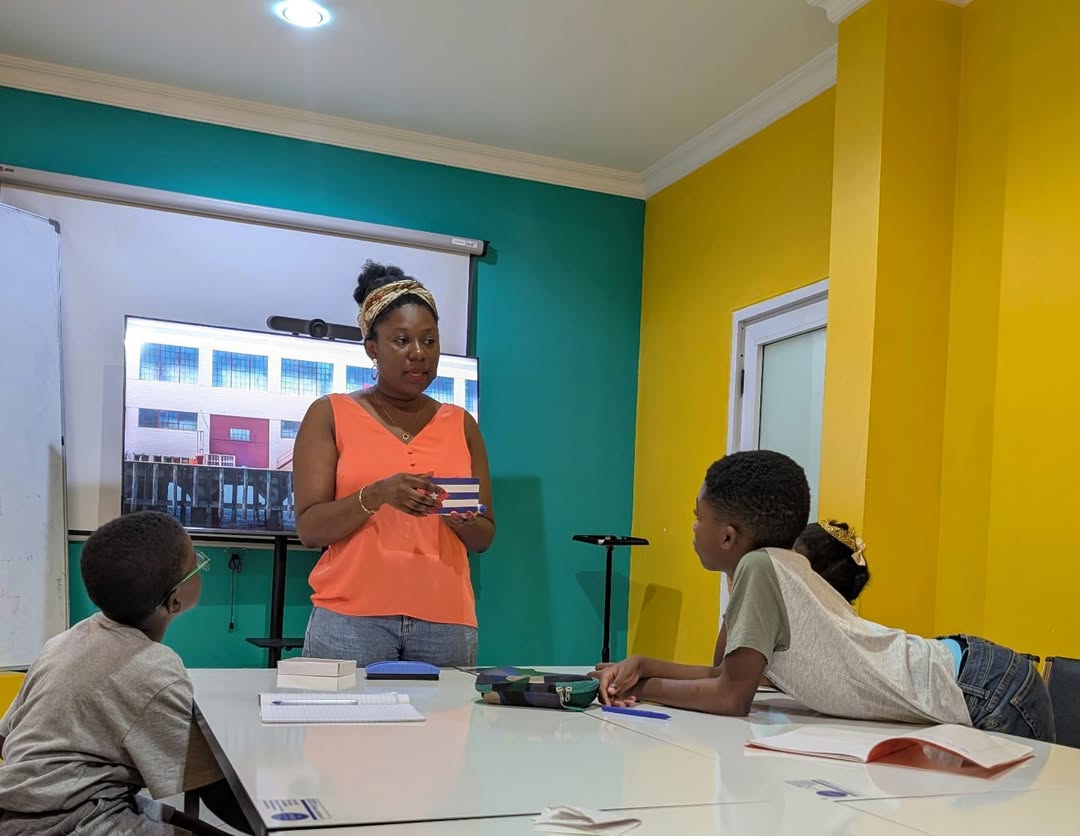
Most importantly, kids learn best when they’re engaged. Through games, songs, crafts, role-plays, and storytelling, French becomes an exciting adventure rather than a classroom task. These interactive methods help kids remember vocabulary easily and enjoy the learning process.
Starting French early equips children with a skill that can benefit their future education, career, and travel opportunities. But beyond all that, it gives them joy, creativity, and a deeper appreciation of the world around them.
With the right guidance, every child can thrive on their French-learning journey—one “petit mot” at a time!
Share this article
Related Articles